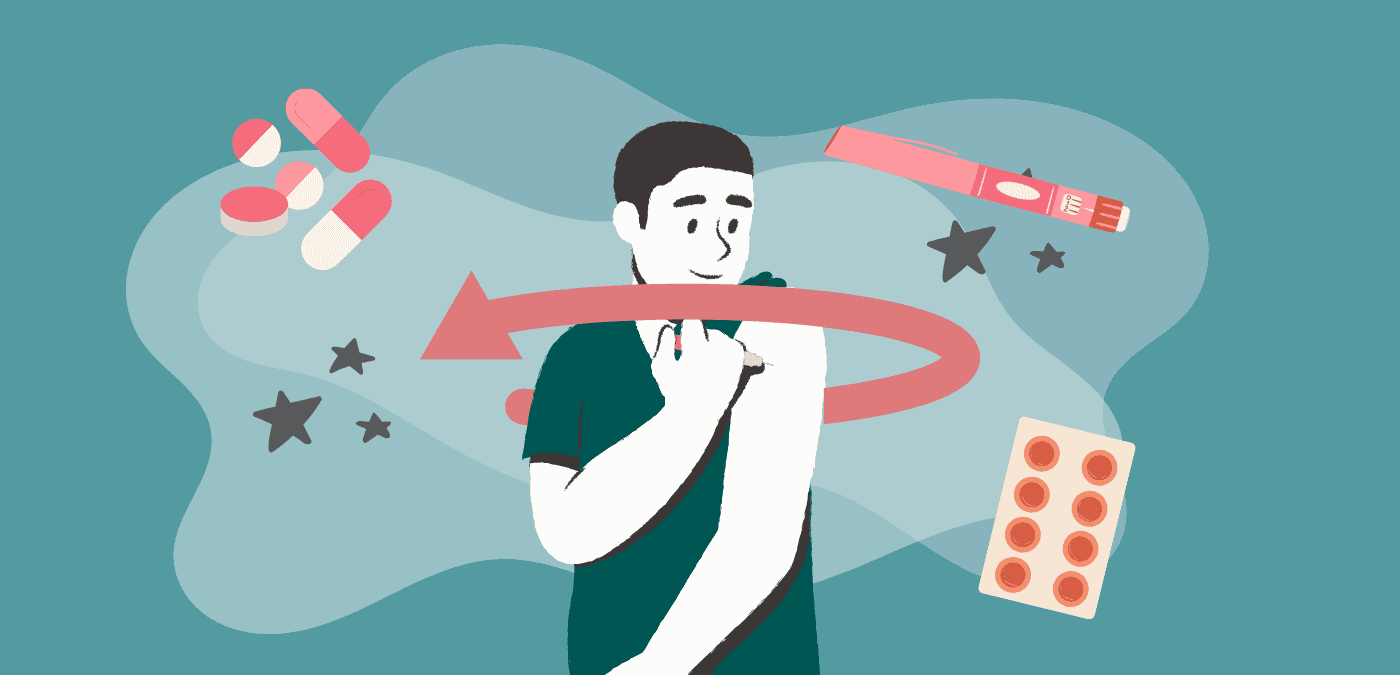
Being hospitalized can make managing type 1 diabetes (T1D) more challenging. Stress, an infection, a medical procedure, fasting, or changes in eating habits can lead to significant fluctuations in blood glucose levels.
Even in the hospital, the body’s need for insulin does not go away. Certain precautions are particularly important to prevent complications such as diabetic ketoacidosis and severe hypoglycemia.
People living with T1D often have a very good understanding of their own diabetes management. They can play an active role in their care, in collaboration with the hospital team. When appropriate, it may also be helpful to consult members of their usual diabetes care team (e.g., an endocrinologist, diabetes specialist nurse, or another team member), who are familiar with the person, their treatment, and their needs.
The following are some important points that healthcare professionals should know and consider when caring for someone with T1D in the hospital. This article can also be shared with the healthcare team during a hospital stay to facilitate communication and support care that is tailored to the needs of the person living with T1D.
1. T1D: The Basics
- T1D is an autoimmune condition characterized by the destruction of the cells that normally produce insulin.
- People living with T1D do not produce insulin. Without insulin, they will develop hyperglycemia and diabetic ketoacidosis.
- T1D should not be confused with type 2 diabetes. Most people living with type 2 diabetes still produce insulin.
2. Basal Insulin Must Always Be Maintained
Even when a person is not eating, they need basal insulin to allow their body to function and to prevent diabetic ketoacidosis.
- Basal insulin (e.g., insulin glargine or degludec) must never be completely discontinued in a person living with T1D unless another method of insulin delivery is put in place.
- This also applies to people who use an insulin pump, as the pump continuously delivers rapid-acting insulin to meet basal insulin needs.
- The need for basal insulin remains even when a person is fasting or their blood glucose is within the target range.
- However, doses may need to be adjusted depending on the clinical situation, particularly in cases of hypoglycemia or when transitioning to intravenous insulin therapy.
Key takeaway: A person living with T1D always needs basal insulin, even when they are not eating.
3. Mealtime Insulin: Adjusting Doses Based on Food Intake
Hospital meals can be unpredictable. A person may have a reduced appetite, experience nausea, or need to fast before a test or procedure.
- Mealtime insulin should be administered with each meal and adjusted according to the amount of food actually consumed.
- If the person does not eat, the mealtime insulin dose can generally be omitted. However, a correction dose may be needed if blood glucose is high.
- When the amount of food consumed is uncertain, the timing of insulin administration can be adjusted. For example, the dose can be given after the meal, with 50% of the dose administered if 50% of the meal was eaten.
- Sliding-scale insulin dosing should be avoided. Instead, a correction factor should be added to the mealtime insulin prescription.
4. Diabetic Ketoacidosis: Recognizing the Signs
Diabetic ketoacidosis (DKA) is a serious complication that occurs when the body does not have enough insulin. It can develop quickly, particularly in cases of infection, illness, or interruption of insulin delivery. Its symptoms can sometimes be mistaken for those of other health conditions.
- Signs to watch for include nausea, vomiting, abdominal pain, rapid and deep breathing (Kussmaul breathing), dizziness, and changes in level of consciousness.
- If DKA is suspected, blood glucose should be checked and ketones measured (in the blood or urine), followed by a venous blood gas test.
- If DKA is confirmed, treatment should be initiated promptly according to the hospital protocol. It generally includes fluid replacement, intravenous insulin, and electrolyte monitoring.
- A consultation with endocrinology or internal medicine should be considered promptly.
5. Hypoglycemia: Prevention and Recognition
Hypoglycemia is defined as a blood glucose level below 4.0 mmol/L (or 70 mg/dL). It can have serious consequences if not treated promptly, particularly when it becomes severe.
- It is important to recognize the symptoms of hypoglycemia, which may include trembling, palpitations, sweating, dizziness and, in severe cases, loss of consciousness.
- The person should have access to fast-acting sources of carbohydrates (e.g., juice or glucose tablets), when their condition allows. The amount to be taken and when treatment should be given should be determined based on the situation and the protocol in place.
- In cases of severe hypoglycemia, intranasal glucagon (e.g., Baqsimi) can be used if the person is unable to take carbohydrates by mouth. Intravenous glucose is also an option when intravenous access is available.
- Certain conditions, such as reduced kidney function, severe infection, decreased food intake, malnutrition, or adrenal insufficiency, can increase the risk of hypoglycemia.
- It is also important to remain vigilant about prescribing errors, including the administration of glucose-lowering medications that are not indicated for people living with T1D.
6. Infections, Stress, and Corticosteroids Can Increase Insulin Needs
Some situations commonly encountered in the hospital can increase insulin resistance and lead to higher insulin requirements.
- Infections, the physiological stress associated with illness or surgery, and corticosteroids (e.g., prednisone or dexamethasone) can increase blood glucose levels.
- Conversely, when an infection resolves, stress decreases, or corticosteroids are discontinued, insulin needs may decrease rapidly.
- Regular blood glucose monitoring and insulin dose adjustments are therefore essential throughout the hospital stay.
7. Insulin Pumps and Continuous Glucose Monitoring Devices
Many people living with T1D use an insulin pump or a continuous glucose monitoring (CGM) device. These technologies can generally be continued during a hospital stay, depending on the person’s health status and the facility’s protocols.
- An insulin pump must never be removed or discontinued without another method of insulin delivery in place.
- The person can generally continue using their pump if their clinical condition allows and they are able to manage the device safely. Healthcare staff can also provide support according to the protocols in place.
- If the pump needs to be discontinued, an alternative method of insulin delivery must be put in place, and a plan should be made for restarting the pump.
- CGM devices provide useful information about blood glucose trends, but they do not replace point-of-care blood glucose measurements (e.g., capillary blood glucose testing) for clinical decision-making in the hospital, particularly when blood glucose levels are changing rapidly or the person’s health status is unstable.
8. The Experience of the Person Living with T1D Matters
People living with T1D often have a good understanding of their insulin needs and diabetes management routines. Their loved ones can also play an important role, as they are familiar with the person’s daily life, needs, and individual circumstances. This experience is a valuable resource during a hospital stay.
- It is important to involve the person in decisions about their care and take their experience into account when making adjustments to their treatment.
- When their condition allows, they can actively contribute to their diabetes management in collaboration with the hospital team.
- With the person’s consent, family members and other close supports (parents, grandparents, adult siblings, or other significant people in their lives) should also be considered valuable sources of support and involved in care when appropriate.
- These loved ones can contribute to diabetes management alongside the healthcare team, support continuity of care, and help maintain the person’s usual routines and established self-management skills during their hospital stay.
- When needed, healthcare professionals can consult the person’s usual diabetes care team, an endocrinologist, or an internist for advice tailored to the situation.
Good communication between the hospitalized person, their loved ones, the healthcare team, and the professionals who usually provide their diabetes care contributes to safer, more consistent care that is better suited to their needs.
To learn more about diabetes, log in and explore our exclusive content.
Written by: Amélie Roy-Fleming DtP, MSc, CDE
Reviewed by:
- Rémi Rabasa-Lhoret, MD, Ph.D.
- Sarah Haag, R.N., B.Sc.
- Nadien Taleb, MD, Ph.D.
- Alexandra Katz, MD
- Jacques Pelletier, Domitille Dervaux, Claude Laforest, Amélie Eloundou patient partners of the BETTER project.