September often brings changes: going back to school, returning to work, new schedules, new activities, or simply settling into a different daily routine. These transitions can be an opportunity to reestablish some sense of normalcy, but they also require some adjustment.
After a period when schedules, activities, and habits may have been different, settling back into a more structured routine can take some time.
For children and teens living with type 1 diabetes, this often means going back to school. For adults, it might mean returning to work, traveling, or adapting to a different daily rhythm.
When daily life changes, diabetes management can change as well. Meal times, sleep, physical activity, stress, temperatures, and activity levels can all influence blood glucose levels. It can sometimes take a few days or weeks to adjust to a new routine.
Periods of changing routines can also help you better understand certain factors that affect blood glucose levels: the effect of a longer night’s sleep, unexpected physical activity, different meal times, or a change in your daily rhythm.
So, how can you navigate this transition? Here are a few tips to help you find your footing with a little more preparation… and a little less pressure.
Back to school: prepare, without trying to control everything
For children and teens living with type 1 diabetes, the start of the school year may require a little extra organization. Before the school year begins, it may be helpful to check that:
- there are enough supplies available to manage diabetes throughout the school day and that they are easily accessible (e.g., insulin, injection supplies, continuous glucose monitor supplies, carbohydrates, or nasal glucagon to treat hypoglycemia);
- the people who need to know about the child or teen’s diabetes and support needs have been informed (e.g., information on the use of nasal glucagon);
- the contact information for parents or designated contacts is up to date.
A personalized care plan can also help clarify everyone’s responsibilities and how diabetes will be managed throughout the school day. This plan should be developed in collaboration with the family, school staff, and, when relevant, the healthcare team.
It may also be helpful to prepare an emergency kit containing the necessary supplies to manage diabetes at school, as well as spare supplies and items to treat hypoglycemia.
However, preparing for the start of the school year isn’t limited to supplies. It’s also important to talk with the people who will be in contact with the child to ensure they know how to support them in managing their diabetes. To learn about the key things to plan for, check out our tips for preparing for the start of the school year with type 1 diabetes.
Depending on the child’s age and level of independence, the support needed can vary greatly. Some children will need close supervision, while others will be able to manage much of their care independently.
The start of the school year can also be an opportunity to explain, in simple terms, what type 1 diabetes is to the people around the child or teen (e.g., teachers, daycare staff, etc.). This can help dispel certain misconceptions and promote a better understanding of what managing diabetes entails.
For some children and adolescents, a cell phone is an integral part of managing diabetes (e.g., to monitor data from a continuous glucose monitor). This can raise questions about school policies that restrict cell phone use. In many provinces, devices used for medical reasons may be exempt from these rules. However, it’s important to check the policies that apply in your province and at your child’s school. To learn more about using cell phones at school to monitor blood glucose levels, see our article on this topic.
Getting back into a routine… and adapting to changes
When wake-up and bedtime schedules, meal times, or activity levels change, adjusting to a new routine may require a period of transition.
Changes in sleep, physical activity, stress, schedules, and meals can all affect blood glucose levels. A more active day, a later meal, or a shorter night’s sleep can sometimes lead to blood glucose fluctuations that are different from what you experienced during vacation.
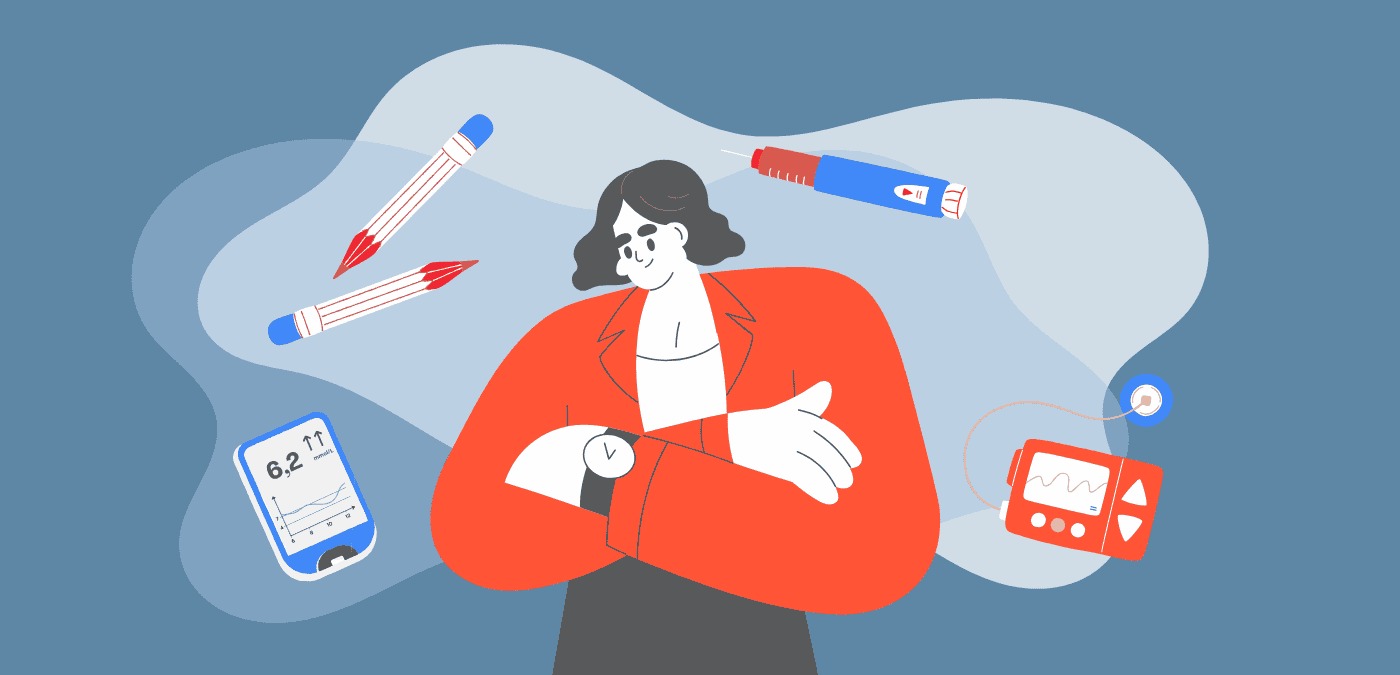
When possible, data from a continuous glucose monitor can help identify certain trends and better understand the impact of these changes on blood glucose levels.
You don’t have to change everything at once. For some people, gradually returning to a more regular sleep schedule or planning a few meals in advance can make the transition easier. For others, habits will naturally fall back into place.
For some people, particularly those living with ADHD and type 1 diabetes, difficulties with organization, attention, or planning can make the transition to a new routine more challenging. In this context, adapting routines to one’s own way of functioning and using practical strategies can make managing daily life easier.
The goal isn’t to return exactly to your previous routine, but to find a way of organizing your life that works with your new day-to-day reality. An unexpected fluctuation in blood sugar doesn’t mean you’ve failed. A period of change sometimes simply requires a period of adjustment.
A transition, without the pressure to be perfect
A change in routine can bring stress, fatigue, and sometimes the pressure to “regain control” or optimize everything at once: eating better, exercising more, sleeping better, or reaching new blood glucose targets. Remember, however, that many factors influence the management of type 1 diabetes and that the results you expect aren’t always what you get.
Rather than changing everything at once, it may be more realistic to choose one or two areas to focus on. For example, gradually returning to a more regular sleep schedule, resuming a physical activity you enjoy, or reorganizing the supplies needed for diabetes management. Insulin doses may also need to be adjusted as your routine changes, based on your usual approach and, when needed, with support from your healthcare team.
For some people, however, the desire to “do it right” can take up a lot of mental space and contribute to perfectionism in managing type 1 diabetes. The constant pursuit of perfect blood glucose levels can then increase the mental burden associated with diabetes and make daily life even more demanding.
A successful transition doesn’t mean that every blood glucose reading is perfect. It may simply mean that, over time, you’ve found strategies that make daily life a little easier.
It can also be helpful to remember that certain concerns can sometimes become overwhelming. For example, a fear of hyperglycemia may lead some people to want to keep their blood glucose levels lower and lower, while a fear of hypoglycemia can influence daily decisions and lead to constant vigilance. In both cases, it can be important to strike a balance between safety, health goals, and quality of life.
Take part in type 1 diabetes research
Everyone lives with type 1 diabetes differently. From one person to another, schedules, habits, the technologies used, the challenges faced, and priorities can vary considerably.
By participating in the BETTER registry on type 1 diabetes, you’re helping to advance research to better understand the realities of people living with type 1 diabetes in Canada and to advance knowledge on issues that affect daily life.
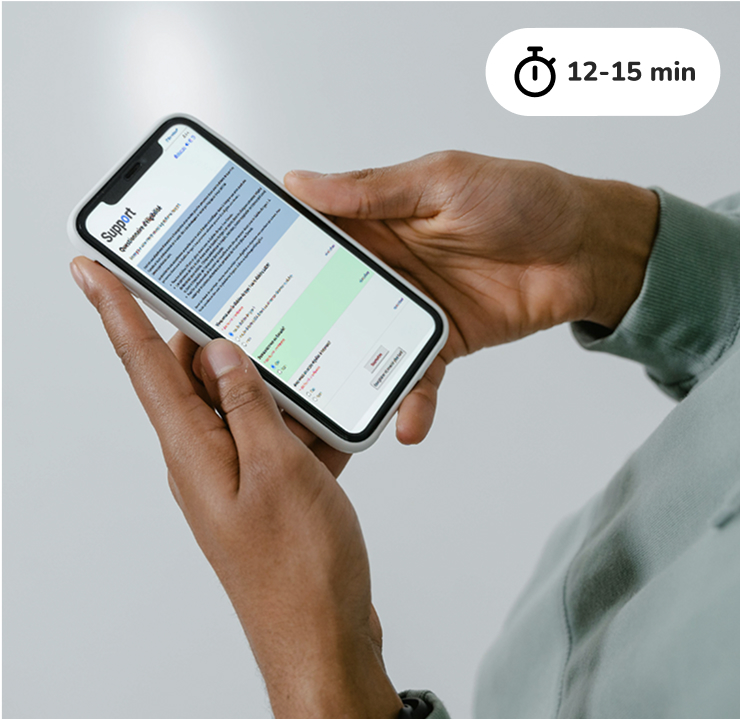
The questionnaire takes about 10 to 15 minutes to complete. By participating, you can help amplify the diversity of experiences with type 1 diabetes and help guide research toward the needs and realities of people living with type 1 diabetes.
Do you live with type 1 diabetes or LADA in Canada? Join the BETTER registry and help advance research.
Written by: Sarah Haag, Nurse, B.Sc.
Reviewed by:
- Rémi Rabasa-Lhoret, MD, Ph.D.
- Michel Dostie, Jacques Pelletier, patients partners