Synonymous with celebrations for many people, the holiday season can also present its share of challenges when living with type 1 diabetes (T1D). Hearty, prolonged meals, higher-than-usual alcohol consumption, disrupted schedules, and altered sleep… all of these factors can complicate blood glucose management. Yet everyone deserves to enjoy the festivities without guilt. Keep in mind that even if your blood sugars fluctuate more than usual during this time, it will not impact your long-term health.
If you or your child are living with T1D, there are a few strategies to navigate the holiday season more confidently.
Changes in routine: adapting without stress
During the holidays, everything can change: activity levels, meal times, stress or relaxation levels, sleep… and your blood glucose can follow suit. Here are some helpful guidelines:
- Try to stick to your usual meal schedule. You might be tempted, for example, to skip lunch before a festive dinner knowing you’ll eat more later. However, this can complicate glucose management for the day and make it harder to respect your hunger and fullness cues.
- Use physical activity to your advantage. Invite your guests for a walk after the meal. This not only allows you to spend quality time together, but can also help bring your blood sugar down.
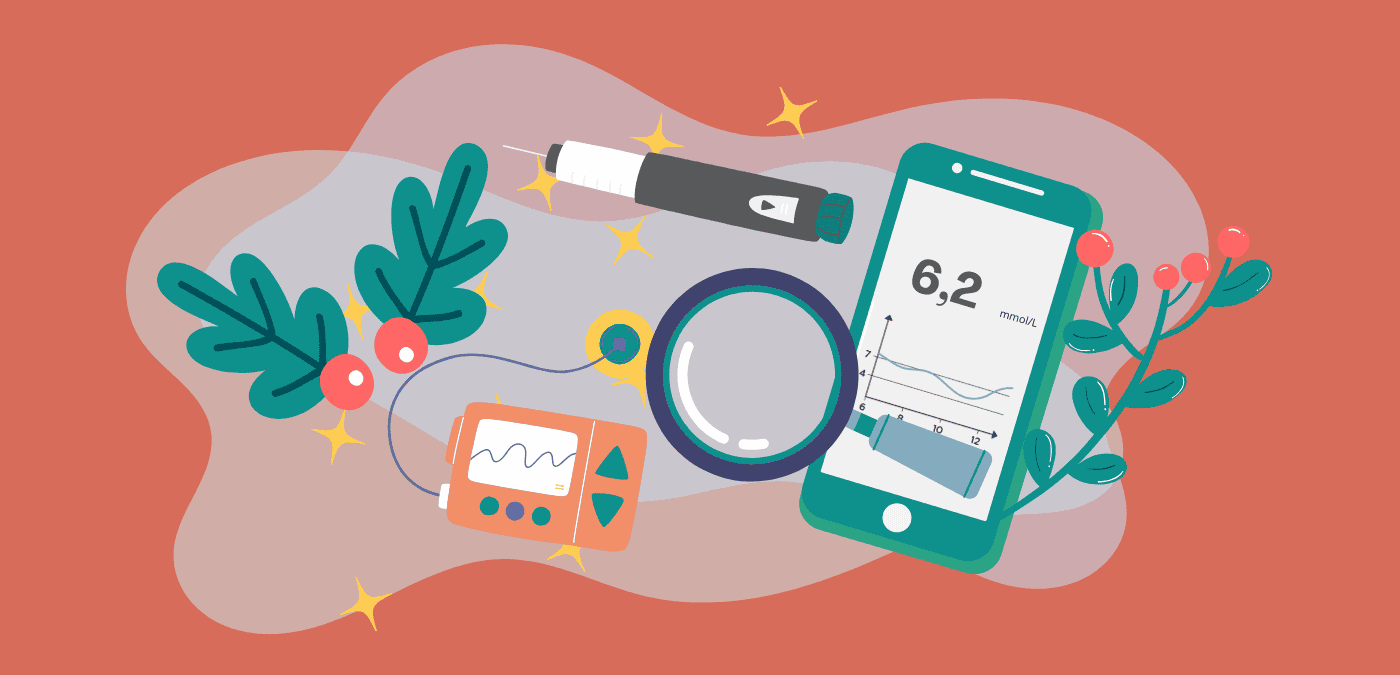
- Keep a closer eye on your blood sugar. The best way to monitor the effects of festive meals, stress, or alcohol is to check your glucose more often and make adjustments as needed. Continuous glucose monitoring (CGM) systems make this easier, providing a discreet, real-time view of your blood sugar trends.
Understanding the impact of large, prolonged meals
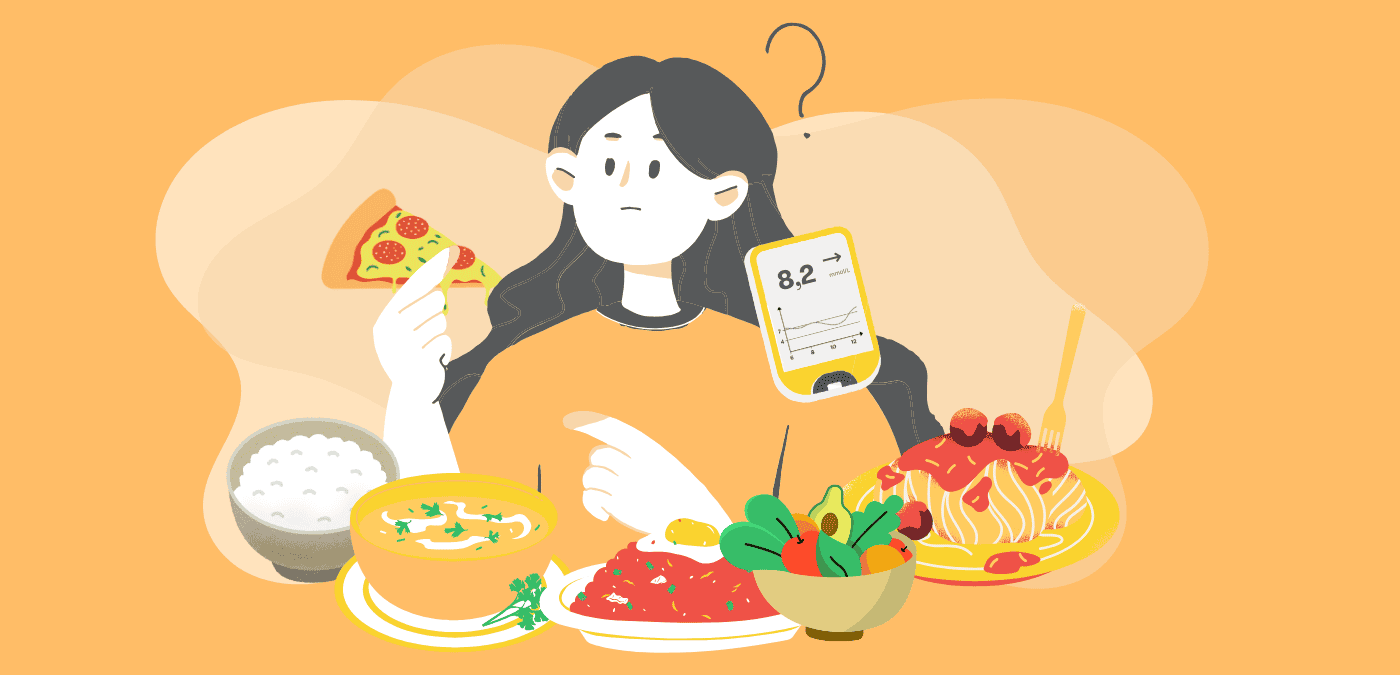
Holiday meals are often richer, fattier, sweeter, and longer than usual. Their impact on blood sugar can be unpredictable and prolonged.
One of the main challenges is estimating the meal’s carbohydrate content, especially if you’re not the one preparing it. Some tips:
- If you’re in charge of cooking: you can make your calculations ahead of time and enjoy your time with your guests at mealtime.
- If someone else is preparing the meal: Don’t hesitate to ask your host what ingredients they used and whether you could see the labels of any prepackaged foods they might have used.
- Most importantly… adjust your expectations. At any rate, your estimations won’t be as accurate as usual, and that’s completely normal. Many factors influence blood sugar : fat and protein content, meal duration, alcohol consumption, stress, sleep… The goal is not perfection, but balance between management and enjoyment.
Strategies to better manage holiday meals
Here are a few tips to help minimize the impact of holiday meals:
- Use your insulin-to-carb ratio. Your ratio helps you to determine how much insulin to take depending on what you eat and give you more flexibility at mealtimes. If you use a hybrid closed-loop system, respect to bolus calculator’s recommandations as it take into account insulin-on-board.
- Optimize the timing of rapid-acting insulin. Some insulin pumps allow you to adjust the bolus for extended or high-fat meals (e.g., extended, dual, or square-wave bolus). This feature lets you administer part of a bolus at the beginning of the meal, and the remainder over a set period of time. This feature helps to avoid early hypoglycemia (when the insulin action starts before the glucose hits the blood stream) as well as delayed hyperglycemia (when the insulin action is over while carbs are still being absorbed).

If you don’t use a pump, you can still use this method manually by taking a partial bolus (e.g., 50% of the dose) at the beginning of the meal and the remainder later (e.g., one hour later, but be careful not to forget it!).
- Keep the amount of active insulin in mind. Rapid-acting mealtime insulin lasts for about four hours. Keep in mind that if you correct high blood sugar within four hours of taking an insulin injection, you risk stacking insulin and going into hypoglycemia due to taking too many boluses close together. If you use a bolus calculator (e.g., in an insulin pump), it takes into account the insulin-on-board. This is why it’s important not to override its suggestions.
- Monitor alcohol intake carefully. Alcohol increases the risk of hypoglycemia, sometimes hours later. General recommendations:
- Do not include alcohol carbohydrates in your bolus calculation.
- Be cautious after more than three drinks.
- Consider a snack with carbs and protein before bed if you’ve had more alcohol than usual.
Most important: be kind to yourself
The holiday season lasts only a few days each year. Don’t feel guilty if your blood sugars are higher than usual, and remember that this won’t affect your long-term health.
Do your best, adjust when needed, and fully enjoy precious moments with your loved ones.
To learn more
Connect to view these modules:
(First published on Dec. 18, 2022; Updated on Dec. 9, 2025)