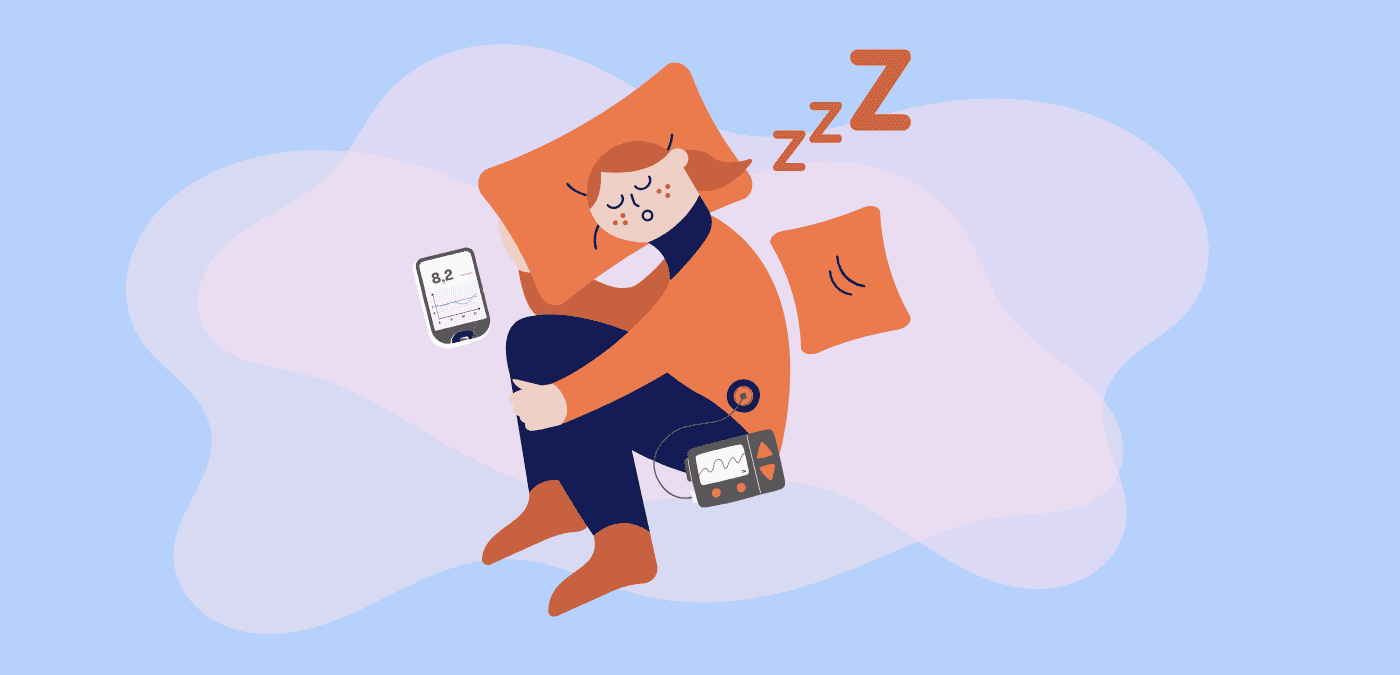
If you or a loved one lives with type 1 diabetes (T1D), chances are you know exactly what it is like to get your sleep interrupted by T1D. Fear of hypoglycemia, washroom breaks due to hyperglycemia, device alerts … factors that affect sleep are manifold.
Yet, good sleep is essential to a good quality of life, and also has a positive impact on diabetes management.
Sleep and blood sugar: a two-way highway
Many don’t realize how sleep and blood sugar influence each other.
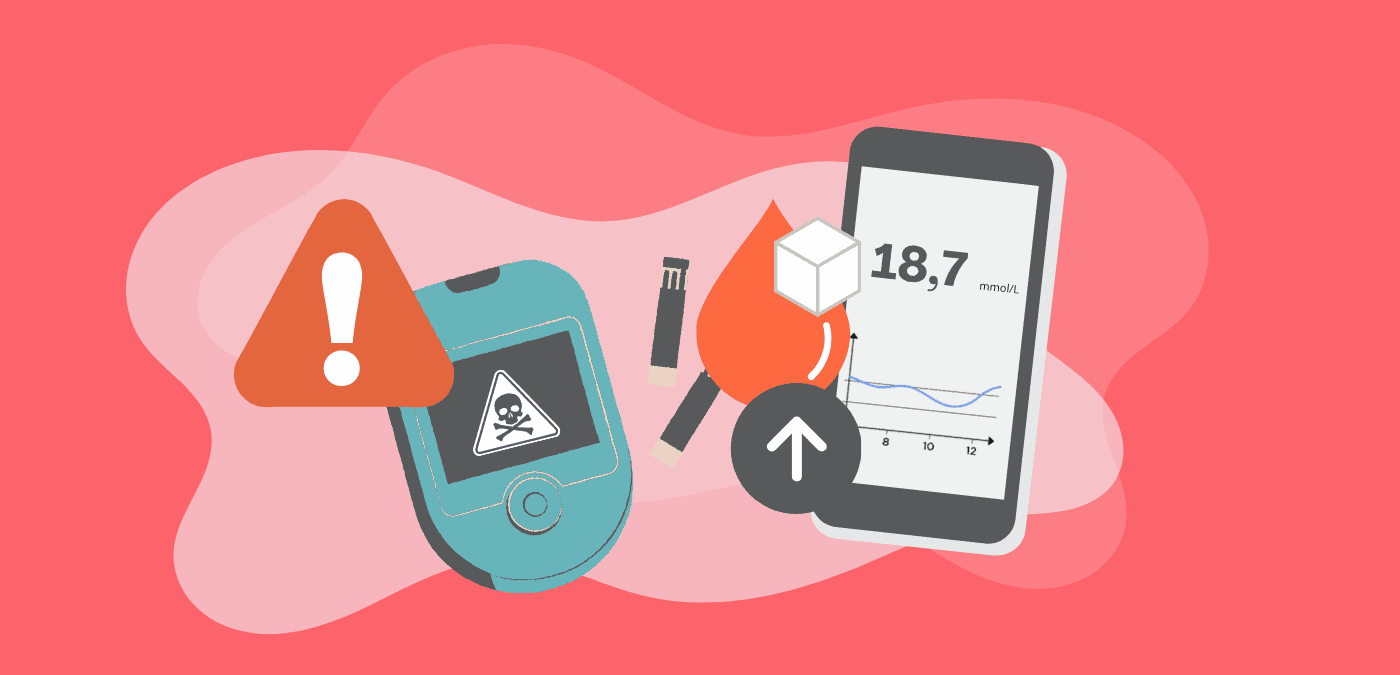
On the one hand, fluctuating blood sugar levels during the night can disrupt sleep—even though you don’t necessarily remember in the morning. Hypoglycemia can trigger sweating, restlessness and nightmares, while hyperglycemia leads to frequent washroom trips and water drinking; this kind of interrupted sleep is not as deep or restorative.
On the other hand, sleep deprivation alone influences blood sugar. In the short term, one night of short and troubled sleep can increase insulin resistance and factors that have an impact on T1D management, such as food choices (e.g., craving sweets). In the long term, insufficient sleep can lead to weight management issues and a risk of diabetes-related complications.
However, good habits produce good results. Practising good sleep hygiene can, in turn, help improve T1D management, mood, and productivity at work or school.
Six strategies for improved sleep
Adopting the following habits will help you get the most out of your sleep.
- Follow a regular sleep schedule. Going to bed and waking up around the same time every day, even on weekends, helps regulate the biological clock and improve sleep quality.
- Before sleep, follow a calm routine in a peaceful environment. Before bed, turn off electronic devices and try reading, meditating or relaxing. The blue light from screens delays the production of melatonin and disrupts sleepiness. A dark, cool and quiet bedroom promotes deep sleep.
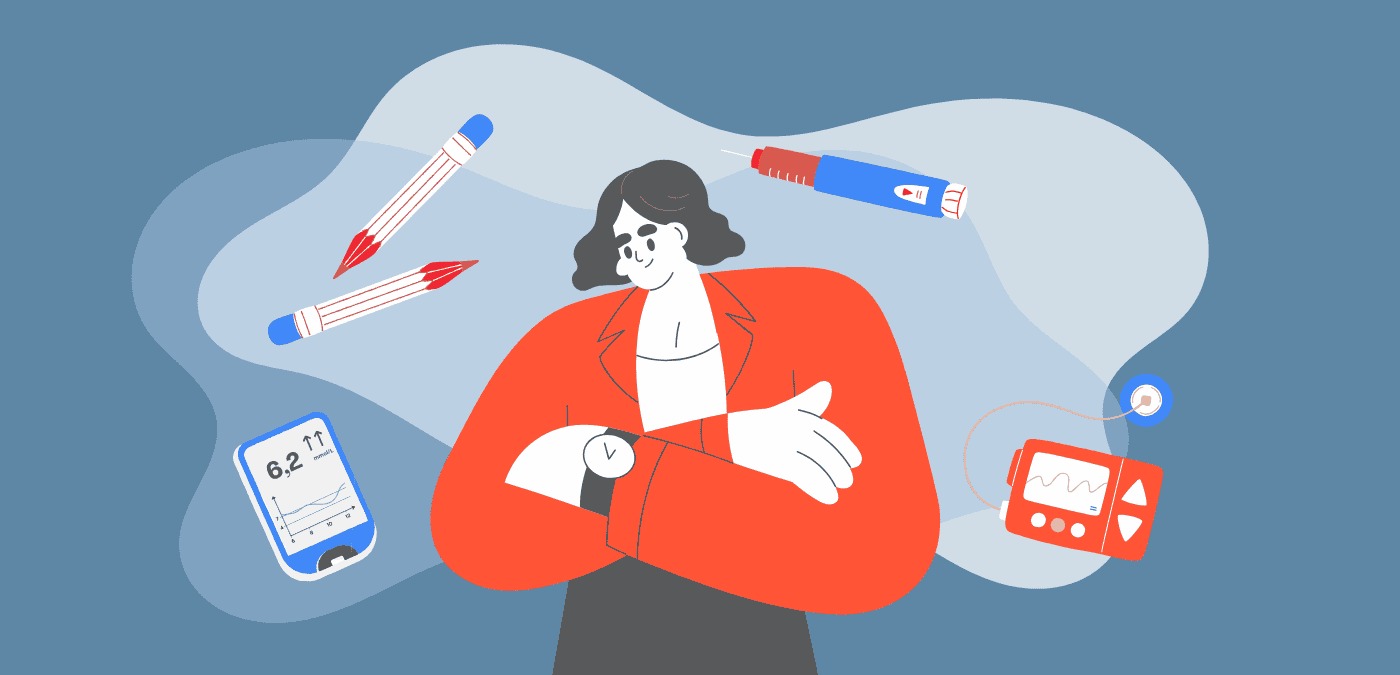
- Optimize continuous glucose monitoring (CGM) alarms. With the right settings, alarms help you avoid hypoglycemia and give you peace of mind. For instance, you can set them to vibration mode, or adjust nighttime targets.
- Avoid caffeine, alcohol and nicotine in the evening. Not only do these substances affect sleep quality, alcohol also increases the risk of hypoglycemia over the night.
- Be active during the day … but be cautious of exercise in the evening. While physical activity boosts sleep quality, intense workouts at the end of the day increases the risk of nighttime hypoglycemia.
- Assess and reduce the risk of nighttime hypoglycemia nocturne. If you use a hybrid closed-loop system, turn on some features such as Sleep activity or a higher target in case of a risk of hypoglycemia, or reduce insulin.
Living with T1D doesn’t mean you’ll never sleep well. With the right adjustments and some patience, it is entirely possible to have more restful nights. If you experience disrupted sleep even after following these tips, you should talk with your healthcare team to see if there could be other causes or other strategies.
Find out more.
Log on to the Support platform to view our complete module on T1D and sleep, including more ways to improve it. You will also find information on other health conditions (e.g., sleep apnea) and how hormonal changes associated with menopause and andropause impact sleep.
First publication : October 7th, 2021 – Update : February 24th, 2026
References :
- How can type 1 diabetes affect sleep? Beyond Type 1. (2020, September 15). https://beyondtype1.org/how-can-type-1-diabetes-affect-sleep/
- Reutrakul, S., et al. (2016). Sleep characteristics in type 1 diabetes and associations with glycemic control: Systematic review and meta-analysis. Sleep Medicine, 23, 26–45. https://doi.org/10.1016/j.sleep.2016.03.019
- Sarah S. Farabi; Type 1 Diabetes and Sleep. Diabetes Spectr 1 February 2016; 29 (1): 10–13. https://doi.org/10.2337/diaspect.29.1.10